
Aero the Acro-Bat 2 story
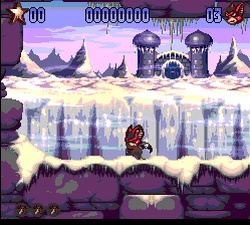
The story of “Aero the Acro-Bat 2” smells like cotton candy from a fairground stall and the sawdust of the ring. It’s the early ’90s and mascots are booming—every publisher wants a hero you recognize in a heartbeat. Sunsoft doesn’t chase another hedgehog or fox; it backs a bat in a scarlet acrobat’s suit. That’s how Aero arrives: a showman from the big top whose trapeze routine turns into entire stages of traps and spotlights. The first outing hit the mark, and the follow‑up became that classic “second swing,” when the team already knows what players crave and opens the idea up into a full-blown carnival universe. On the box you’d see “Aero the Acro-Bat 2”; on bootleg carts the label might blurt “Aero Acrobat 2,” or some clever “Aero Acro-Bat 2”—call it what you like, the core’s the same: a SNES platformer with personality and gutsy showmanship.
Where Aero Came From
Behind the curtain stood Iguana Entertainment—a fast-moving Austin studio brimming with ideas. Sunsoft wanted a hero who didn’t just run, but performed. The circus and amusement park theme gave the game its voice: music thunders, sets shimmer, and every leap lands like a punchline. “Aero the Acro-Bat” stuck thanks to its energy and the angle that it wasn’t just a ’90s mascot, but a survivor-performer living inside an attraction. The sequel builds on that base: more stage, more risk, more party-with-a-twist—and, crucially, tighter rhythm and timing, without which an acrobat doesn’t last.
A Sequel That Grew Up
“Aero the Acro-Bat 2” was born to meet the hero’s demand, but it didn’t stop at rerunning old tricks. The team clearly wanted the SNES return to feel denser and meaner. The mood’s a touch darker, arenas are craftier, and the pacing’s surer—like a seasoned ringmaster leading you from the footlights into the half-light of the wings. It’s that moment when “just another 16‑bit platformer” starts telling its story through details: the same carnival bravado, now paired with a cool, measured maturity. The lore pulls in a daredevil sidekick—Zero the Kamikaze Squirrel—and Aero’s world widens, grows more polyphonic. In brochures and mags it was billed as “a sequel with a smirk,” while on street markets folks simply said “Aero Acrobat”—the part where the star isn’t just saving a stage, but hauling the whole carnival out of trouble.
How It Reached Players
Sunsoft published it, which meant the usual package: bold colors, a punchy soundtrack, crisp logos on the splash. “Aero the Acro-Bat 2” went worldwide in a hurry—1994 was prime time for loud, bright 16‑bit adventures, and cartridge shelves looked like a midway. Some spotted the bat in a tux on a shopfront box, others heard about it from a magazine pullout, and plenty found it on a loose cart with no manual—the blue sticker read “Aero the Acrobat 2,” the hyphen gone, but that red suit was unmistakable. In our gray‑market reality, the title wandered from print to print; yet people spoke it with the same warmth, remembering ring‑of‑fire jumps and springboards, that carnival soundtrack, and the party feeling that came rushing back the second you typed in a password from memory.
Why We Loved It
The secret to loving “Aero the Acro-Bat 2” is the persona. He isn’t just another smirking mascot—it’s a performer who lives on the stage. Every screen feels blocked like an act: spotlight, stunt, beat, applause. We gravitated to that rhythm because it tapped the ’90s nerve, where everything ran hotter, brighter, faster. The sequel made the party grow up: neon with a faint shadow, busier sets, dangers that feel fair. That added weight is why you remember it not only as “a fun Sunsoft platformer,” but as a story about a circus kept aloft by one small, brave artist.
Cultural Footprint
The sequel’s success kicked off talk of a wider universe: the neighboring spin‑off about that kamikaze squirrel quickly became a favorite, and Iguana Entertainment started showing up more in best‑of‑the‑era studio lineups. On SNES, “Aero the Acro-Bat 2” is the kind of hit people revisit via emulators and retro collections, just to hear the springy melodies and see that familiar arena palette. And while the title shuffled around in some regions—from “Aero Acrobat 2” to a playful “Aero‑acrobat”—the confusion only adds charm, like a fairground where shouty posters change font and color, but the show stays the same. A show where a little bat keeps proving the real artist isn’t afraid of heights.
So “Aero the Acro-Bat 2” lives on between carnival bulbs and cozy evenings when you want to slip back into the 16‑bit era and hear the stage call for an encore. It’s a tale of nerve and invention—and how one well‑drawn hero can lift a whole genre a few rungs higher, no pomp required, just a clean flight over the ring.